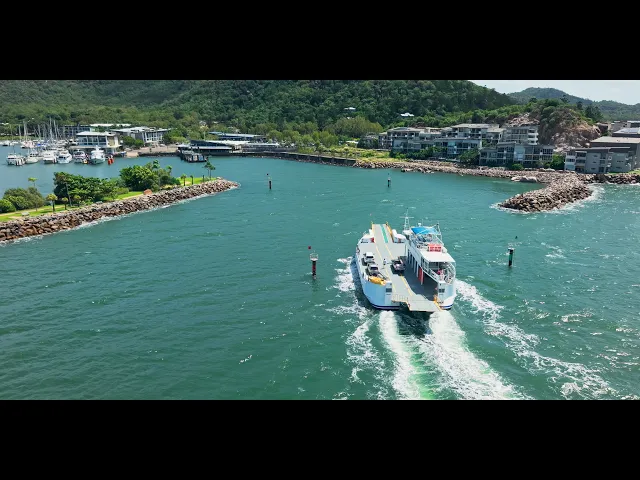
Repowering the Magnetic: Documenting a six-week engine replacement on a working passenger vessel.
The Magnetic runs the daily crossing between Townsville and Magnetic Island. Its engines had reached end of service life and needed replacing. That crossing is not a tourist convenience. Island residents commute on it and every business on Magnetic Island depends on it running.
Oceania Power coordinated the repower as Volvo Penta's Australian distributor, working alongside Belcher Diesel Service on the mechanical side and Riverside Marine on the vessel. The work covered logistics, engine installation, marine compliance and commissioning and it ran across six weeks.
Oceania Power wanted the project documented. Not for advertising. A repower on a working passenger vessel is the kind of job that gets talked about in the marine industry and they wanted a record of how it was managed that they could put in front of partners, manufacturers and insurers.
Four organisations were involved and none of them worked for me. Access on any given day depended on what stage the mechanical work was at, who was on the vessel and whether the slip was clear. Marine work moves when it moves.
The vessel also had to keep running. Filming aboard during service meant working around a crossing full of paying passengers, on a vessel where the crew has actual responsibilities that don't pause for a camera.
The risk on a job like this is not that the footage is bad. It's that the production becomes another thing the project manager has to manage.
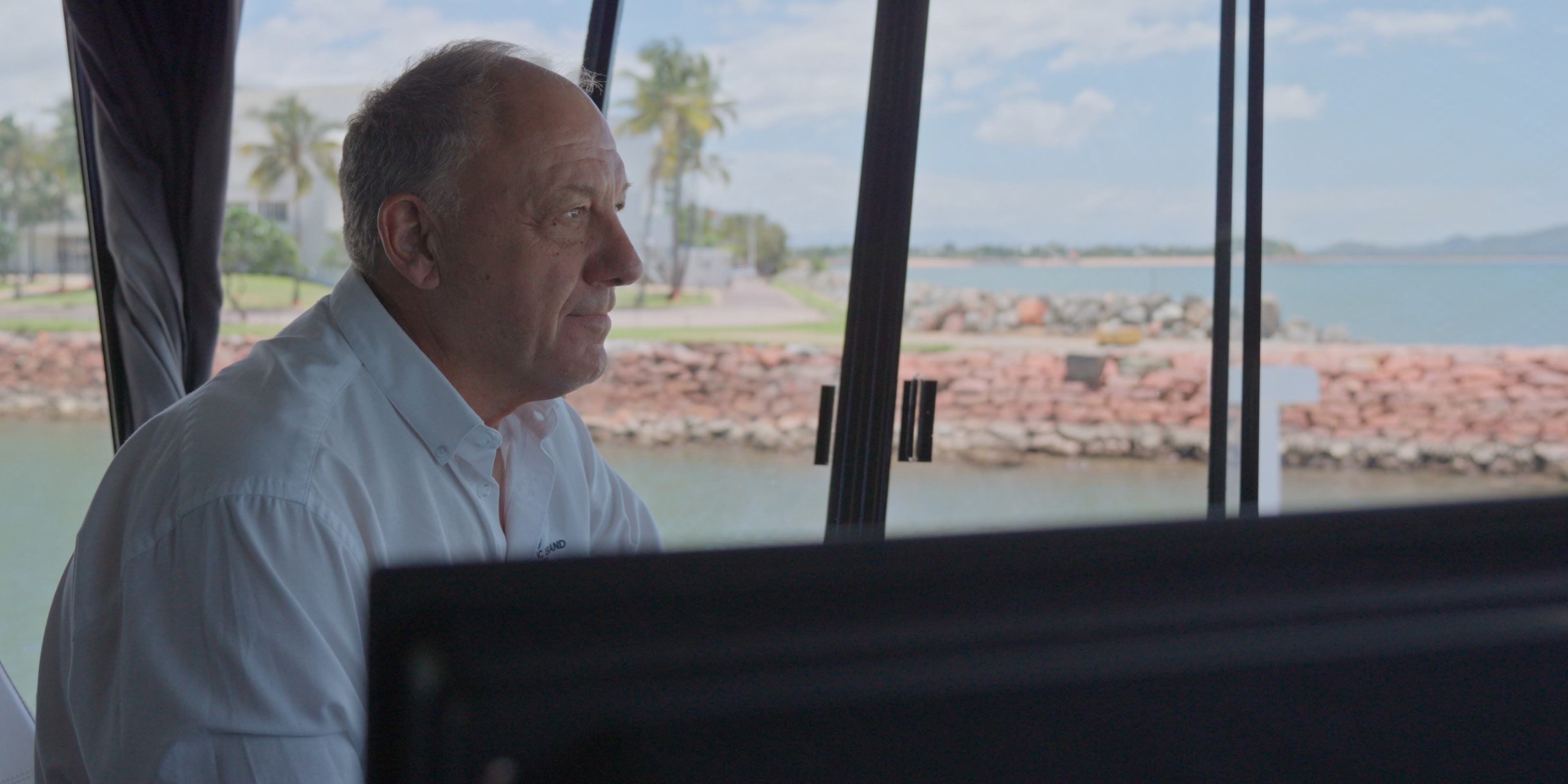
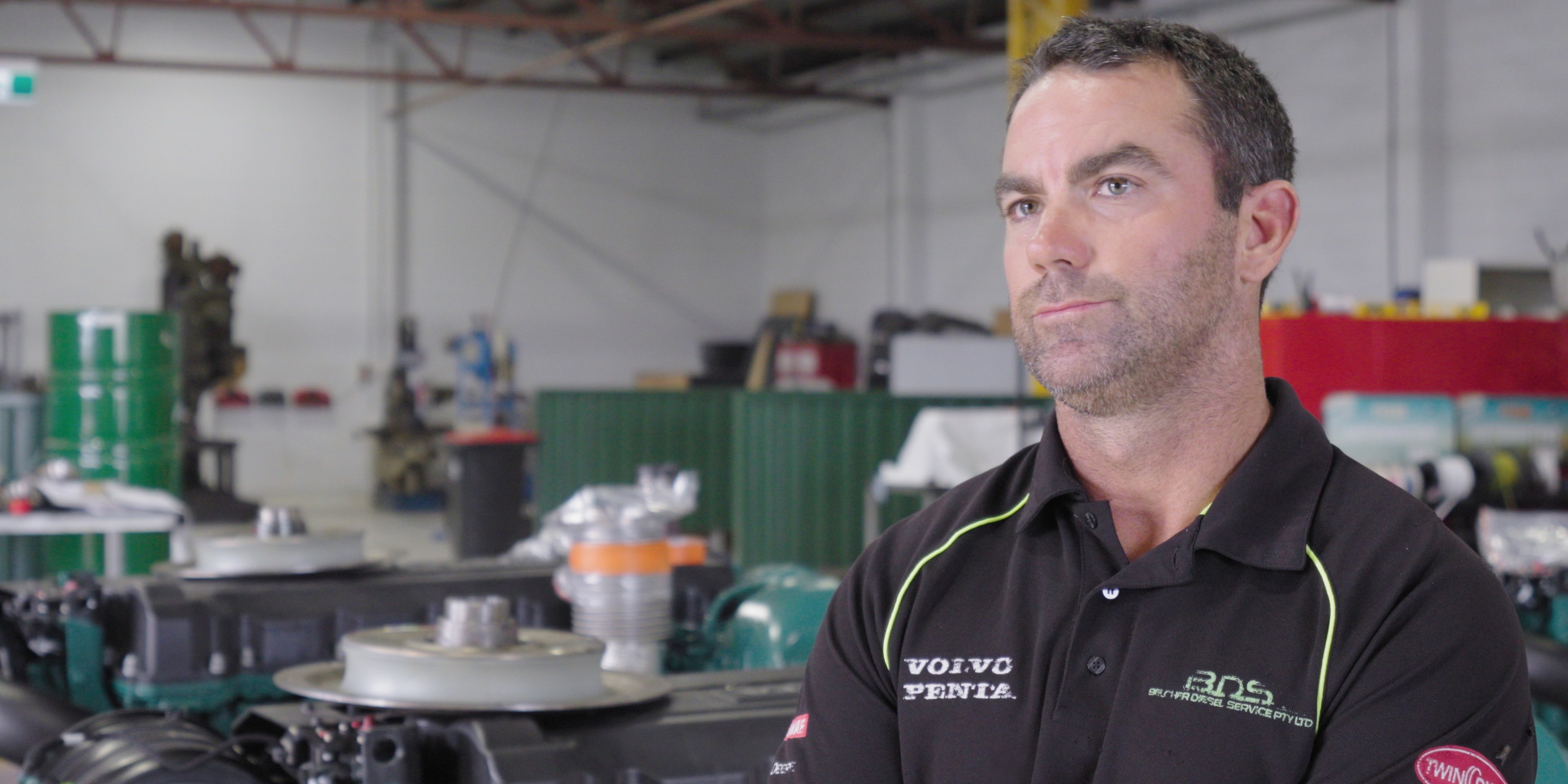
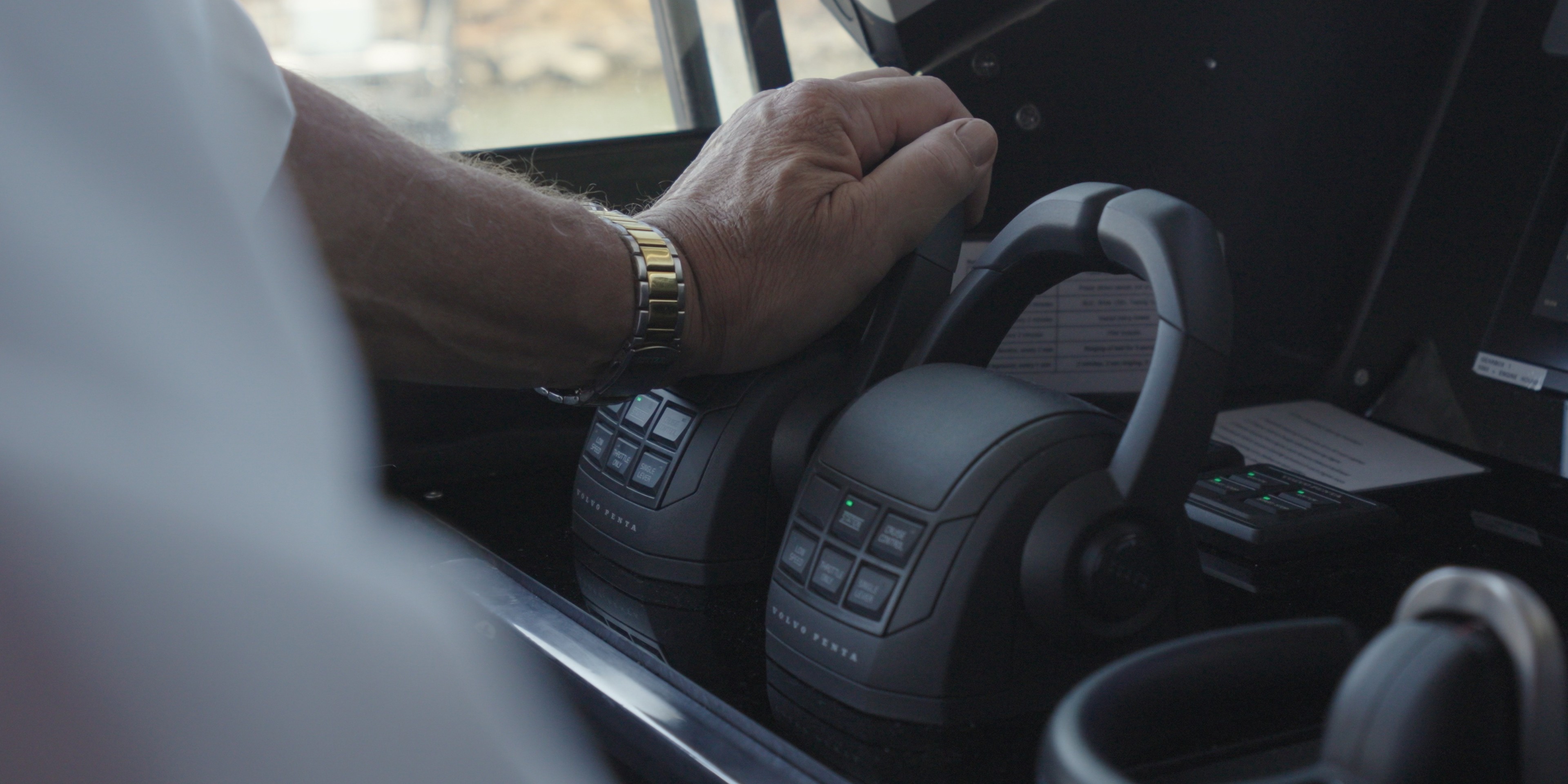
I worked to their schedule rather than asking them to work to mine. That meant being available across six weeks rather than booking two shoot days and expecting the project to arrange itself around them. Some of those days produced a lot. Some produced very little usable coverage because that's what the stage of work allowed.
Interviews were filmed where people already were, between tasks, rather than pulling anyone off the job to stand in front of a camera. Coverage of the mechanical work was shot around the technicians, not by directing them.
I hold my own insurance and complied with the site and vessel requirements at each location. Nobody had to supervise me, chase paperwork, or explain how a worksite operates.
The project ran six weeks and finished on the schedule the mechanical work set. No stage of it was delayed by the filming.
A three-minute film covering why the repower was needed, how the four organisations coordinated it and what the work actually involved. Interviews with the people who ran it, cut against coverage of the installation and the vessel back in service.
A thirty-second version for social distribution.
Oceania Power uses the longer film in partnership and industry contexts where they need to demonstrate what they can manage. It documents a job that would otherwise exist only as an invoice and a completion certificate.
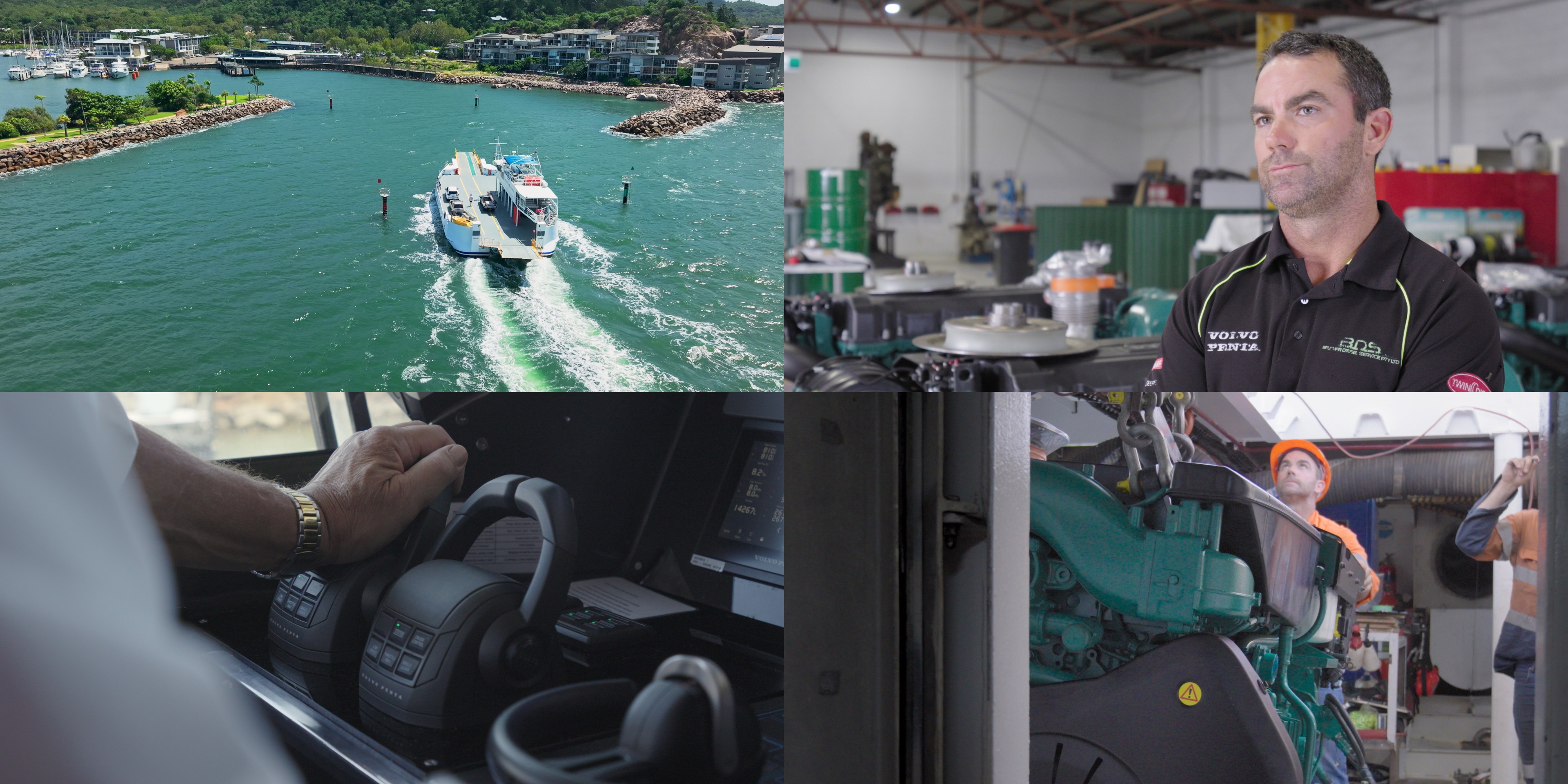
If you are running work where a production crew is a liability rather than an asset, this is the reference point. Multiple organisations, a live operational asset, marine compliance, a schedule that moved and a six week commitment rather than a shoot day.
I capture industrial and marine work in North Queensland. If you have something coming up, the useful first step is usually a conversation about access and constraints before anyone talks about deliverables.